Skip to content
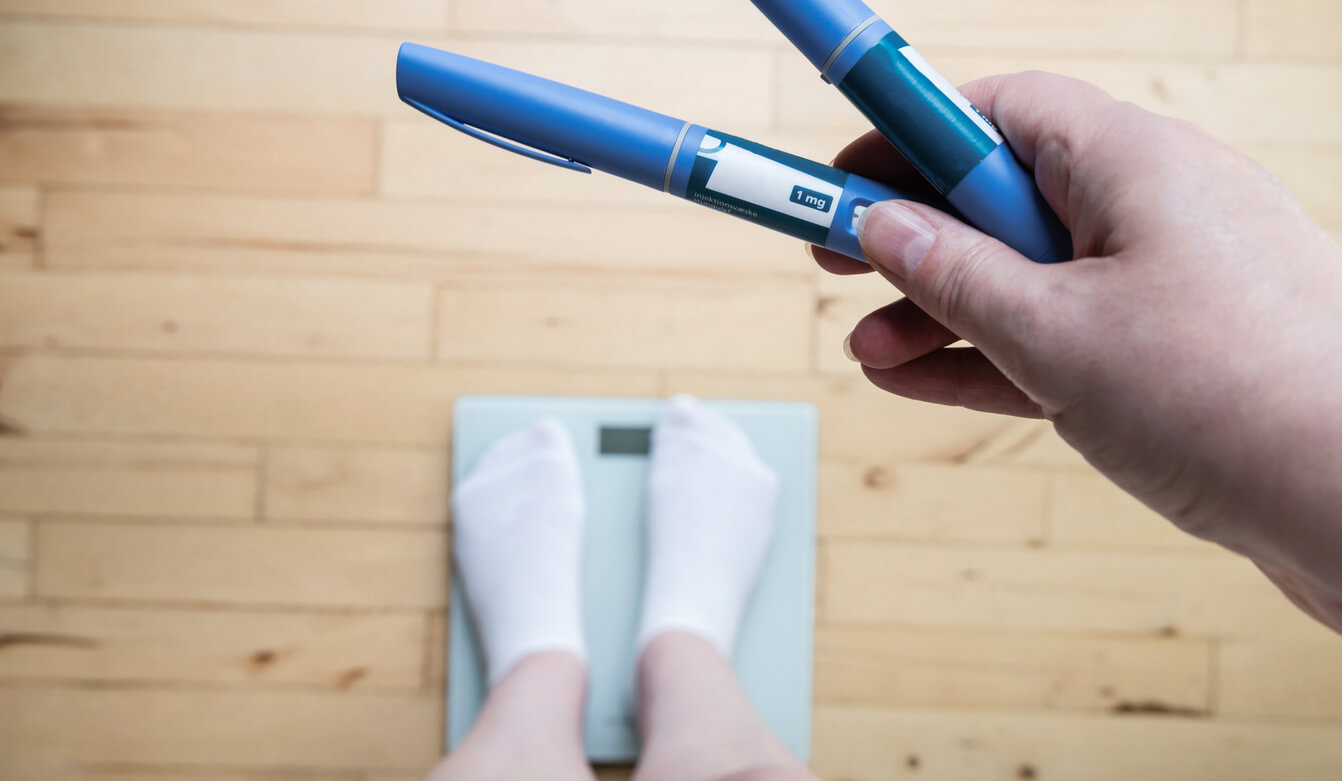
Feeling stuck trying to lose weight on Semaglutide? While the journey often begins with high hopes, it’s not uncommon to get to a weight loss plateau along the way. Semaglutide curbs appetite, helping you eat less and lose weight. In fact, studies show that after a year, patients can lose an average of 14.6 kg, or 14.1% of their body weight.
You might be wondering, “Why am I not losing weight on Semaglutide?” Let’s explore what might be happening, look at common hurdles, and discuss practical tips to help you get back on track. Let’s discover how to make Semaglutide work for you.
What Is Semaglutide?
Semaglutide is a weight loss medication initially developed for managing blood sugar levels in diabetic patients. It mimics GLP-1, a hormone that slows digestion and decreases appetite, helping patients begin their weight loss journey by consuming less food. This approach aids in managing body weight and supports a healthier lifestyle.
How Semaglutide Works for Weight Management
Semaglutide supports weight management by:
- Mimicking Natural Hormones: Semaglutide functions like a hormone that helps regulate appetite. It acts on the brain to manage hunger and decrease cravings, which can lead to consuming fewer calories.
- Influencing Hunger Signals: The medication directly affects the brain’s hunger centers. By altering these signals, it tricks your body into feeling full more quickly, helping to curb unnecessary snacking and overeating.
- Reducing Calorie Intake: With the feeling of fullness coming sooner, you’re likely to eat smaller portions. This reduction in calorie intake supports your weight loss efforts, making it easier to manage your diet.
- Supporting Weight Loss Progress: Regularly using Semaglutide contributes to consistent weight loss. Clinical trials have demonstrated significant weight reduction, giving you a solid foundation for your journey.
- Providing Structure and Routine: Incorporating Semaglutide into your daily routine creates a structured approach to weight management. This consistency encourages healthier eating habits, promoting lasting change and improved well-being.
Typical Expectations and Timeline
Having clear expectations can boost your motivation and patience. Here’s what you can typically expect with Semaglutide:
| Phase | Expectations |
| Weeks 1-4 | Initial adjustments as the body adapts. Some may notice appetite changes and slight weight loss. Others might not see immediate results but should remain consistent with the dosing schedule. |
| Weeks 5-8 | Many start observing more noticeable weight loss and reduced cravings. Increased energy levels and improved mood might also be experienced. |
| Months 2-3 | Steady weight loss tends to continue. You’re likely to feel more comfortable with smaller meal portions, and weight loss may become more apparent. |
| Months 4-6 | Some might experience a weight loss plateau. This is normal and can be tackled with lifestyle adjustments, such as adding strength training to your routine. |
| Months 6-12 | Significant weight loss is often observed during this period. Patients typically see improvements in overall well-being and health markers. |
Disclaimer: Individual results may vary, and it’s important to consult a healthcare provider for personalized guidance.
Reasons for Not Losing Weight on Semaglutide Compound
If you’re finding it tough to drop those pounds on Semaglutide, several factors might be playing a role. Understanding these can help you tweak your approach effectively.
Dietary Habits
Even with reduced hunger, eating high-calorie foods can block progress. Focus on balanced meals with whole grains and plenty of vegetables. Eating more fiber can keep you feeling full and aid weight loss. Simple changes, like picking water over sugary drinks, can have a big impact.
Lifestyle Choices
Being inactive can slow down your weight loss. Incorporate physical activities like walking, cycling, or even dancing into your daily routine. Simple adjustments, such as parking farther away or using the stairs, can increase your activity level and aid weight loss.
Metabolic Differences
Your metabolism is unique and impacts how quickly you lose weight. Factors like age, genetics, and overall health influence this. Recognizing the role of your metabolism can help you make a more personalized and effective plan.
Underlying Medical Conditions
Health issues like hormonal imbalances or thyroid problems might interfere with weight loss. Talking with a reliable healthcare provider can help identify and address these conditions, potentially enhancing your weight management strategy.
Improper Dosage
Sticking to your prescribed Semaglutide dosage is vital. Skipping doses or not following the medication schedule can reduce its effectiveness. Consistent use as directed maximizes benefits and supports steady progress.
Other Medications
Certain medications may interact with Semaglutide, impacting how well it works. It’s important to discuss all your medications with your healthcare provider to understand potential interactions and explore alternatives if needed.
Steps to Optimize Weight Loss With Semaglutide
Boosting your weight loss on Semaglutide involves combining the medication with healthy lifestyle choices.
- Regular Exercise: Choose activities you enjoy, such as walking, jogging, yoga, or swimming. Try to get at least 150 minutes of moderate exercise weekly. This effort supports weight loss and also lifts your mood, boosts energy, and improves heart health.
- Strength Training: Add strength exercises like lifting weights, push-ups, or squats to your routine. Building muscle helps improve your metabolism, making it easier to burn more calories daily.
- Hydration: Make sure to drink 8-10 glasses of water each day. Keeping hydrated not only helps your metabolism function smoothly but also reduces those pesky hunger pangs. Starting each meal with a glass of water can further aid in managing your appetite effectively.
- Balanced Diet: Focus on adding whole foods into your diet, such as vibrant fruits and vegetables, lean proteins, and whole grains. Limit the consumption of sugary snacks or processed foods, as they can hinder your progress. When you plan and prep ahead of time, you’re more likely to stick to healthier choices consistently.
- Increase Fiber Intake: Add fiber-rich foods like beans, lentils, oats, and whole grains to your meals. These fiber foods help in digestion and keep you feeling full, which helps prevent overeating. Start your day with a high-fiber breakfast to set a healthy tone for the rest of your meals.
- Mindful Eating: Practice paying attention to hunger cues and portion sizes. Eating slowly, enjoying each bite, and avoiding distractions like smartphones or TV during meals can help you recognize when you’re full and prevent overconsumption.
- Set Realistic Goals: Establish attainable short-term and long-term goals. Celebrating small victories keeps you motivated and committed. Remember, everyone’s journey is unique, and progress may vary.
- Regular Monitoring: Keep track of your weight loss progress by maintaining a journal of your eating habits and exercise routine. This self-monitoring can help identify patterns and areas for improvement.
When to Seek Professional Help
Recognizing when to seek guidance is key to success with Semaglutide. If you are on Semaglutide and not losing weight, here are scenarios where professional support may be necessary:
- No Change in Weight: If your weight remains unchanged despite consistent use of Semaglutide, it’s time to consult a healthcare provider. They can reassess your treatment and explore the reasons behind the plateau.
- Unexpected Side Effects: Experience of unusual side effects or health changes should prompt a discussion with a professional. They can determine whether adjustments to your dosage or administration are necessary.
- Understanding Metabolic Differences: If weight loss is slow, a healthcare provider can evaluate potential metabolic differences. Testing might reveal underlying metabolic issues that affect your progress.
- Treatment Assessment: Regular evaluations ensure your treatment remains effective. A healthcare provider can adjust your plan or explore alternative strategies to boost your results.
- Specialized Support: Involve specialists who excel in regenerative medicine and can offer additional weight loss support. Their expertise might provide insights into holistic and innovative approaches.
- Comprehensive Health Check: A thorough health assessment can identify other factors like hormonal imbalances or medical conditions that may affect your weight loss journey.
Boost Your Success With Our Guidance: Call Us Today!
Do you want to finally reach your weight loss goals? At Apex Fit, we’re ready to help you succeed. Schedule a consult with our team to get personalized advice just for you. We’ll work together to tweak your treatment and overcome any hurdles you’re facing with Semaglutide.
We know it can be tough, but you don’t have to do it alone. Let us be your partner on this journey to a healthier, happier you. Reach out today, and let’s make your goals a reality. Your well-being is our top priority, and we’re here to support every step.