Skip to content
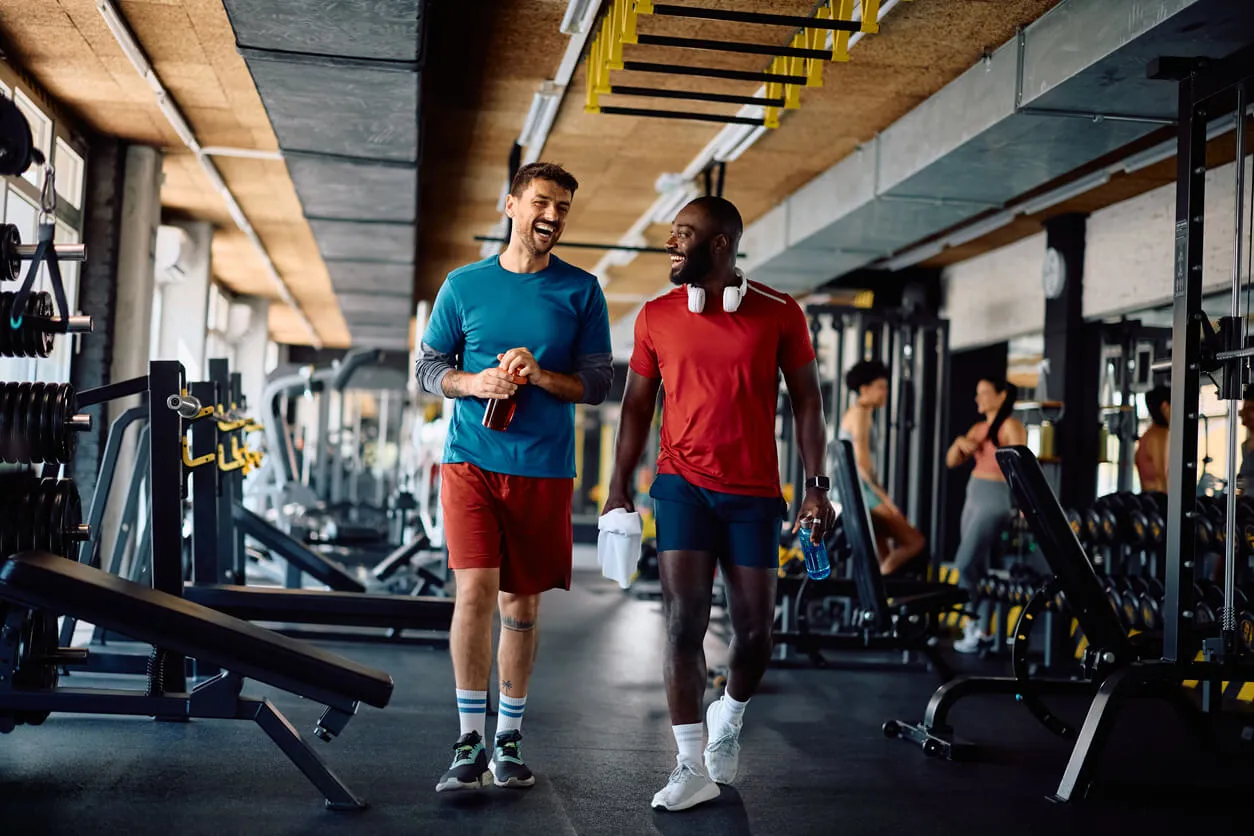
If you’ve ever asked, “what is a fitness center?” you’re not alone. A lot of people use the term interchangeably with “gym,” but they are not always the same thing. A fitness center is generally a facility designed to support exercise, health improvement, and physical performance through equipment, coaching, classes, programming, or a mix of all four.
In plain English, it’s a place built to help people move better, get stronger, lose weight, improve endurance, recover function, or maintain long-term health. Some fitness centers are huge and open to the public like traditional gyms. Others are more specialized and structured, with private coaching, assessments, recovery tools, and personalized plans.
That distinction matters. A room full of treadmills and dumbbells is one version of a fitness center. A results-focused training studio with performance testing, guided programming, and close accountability is another. Both fit under the same umbrella, but the experience and outcomes can be worlds apart.
A Simple Definition of a Fitness Center
A fitness center is a dedicated space where people go to improve physical health through exercise and wellness services. It may include cardio machines, strength equipment, free weights, functional training areas, locker rooms, personal training, group classes, and recovery or performance tools.
The key idea is purpose. A fitness center exists to support fitness goals, whether those goals involve fat loss, strength, flexibility, pain reduction, athletic performance, or general wellness. It is not just a building with machines. At its best, it is a system that helps people make measurable progress.
That’s why the term can cover a lot of ground. A neighborhood gym, a private personal training studio, a sports performance facility, and a medically guided wellness center can all be considered fitness centers. The difference lies in how they deliver results and who they are designed to serve.
What Makes a Fitness Center Different From a Gym?
People often say “gym” when they mean any place to work out, and that’s understandable. But the term gym usually suggests open access equipment and self-directed exercise. You sign up, scan in, and do your own thing.
A fitness center often has a broader health focus. In many cases, it includes more support, more structure, and more services beyond basic exercise. That may mean fitness assessments, customized programs, nutrition guidance, personal coaching, body composition testing, corrective exercise, or recovery services.
Think of it this way: a gym can be like a hardware store. It gives you the tools. A fitness center, especially a more advanced one, is closer to having an architect, contractor, and project manager involved too. The tools are still there, but there’s also a plan for how to use them.
That difference becomes especially important for busy adults, people returning from injury, beginners who feel intimidated, or anyone tired of the start-stop cycle that happens when motivation is doing all the heavy lifting.
What Services Are Usually Offered at a Fitness Center?
Most fitness centers offer a mix of exercise equipment and health-related services. The exact menu depends on the type of facility, but there are several common categories you’ll usually see.
First, there is equipment for cardiovascular training and strength building. Cardio options often include treadmills, bikes, rowers, stair climbers, and ellipticals. Strength areas may include selectorized machines, cable systems, free weights, benches, squat racks, and resistance tools for functional movement.
Second, many fitness centers offer coaching. This could mean one-on-one personal training, small-group training, sport-specific coaching, or guided programs for weight loss and strength development. Good coaching does more than count reps. It helps with exercise selection, form, progression, consistency, and accountability.
Third, some facilities include wellness services. Depending on the center, that may involve nutritional support, body composition analysis, mobility work, recovery tools, or specialized programming for aging, pain relief, or performance enhancement.
The deeper the support, the more the facility starts to feel less like a place you visit and more like a team helping you solve a problem.
Common Types of Fitness Centers
Not all fitness centers are built for the same person. If you’ve visited one facility and hated it, that doesn’t mean fitness centers aren’t for you. It may simply mean you walked into the wrong model.
One common type is the commercial gym or health club. These tend to be larger facilities with broad membership access, lots of equipment, and optional extras like pools, saunas, basketball courts, or group fitness classes. They work well for independent exercisers who know what they’re doing and like variety.
Another type is the personal training studio. These centers are usually smaller, more private, and more structured. Instead of wandering around deciding what to do, members follow a plan created by a coach. This setup tends to appeal to professionals, beginners, and people who want efficiency rather than guesswork.
There are also specialized performance centers focused on athletes or specific movement outcomes. These may emphasize speed, power, flexibility, corrective exercise, or sport-specific mechanics. Other centers lean into medical wellness, longevity, weight loss, or body composition change.
In a market like Orlando, where schedules are packed and people often want results without wasting time, more clients are drawn to structured facilities that blend science, coaching, and accountability. That’s part of why interest in personalized fitness in Orlando, FL continues to grow.
Who Uses a Fitness Center?
The short answer is: almost everyone. The better answer is that different people use different kinds of fitness centers for very different reasons.
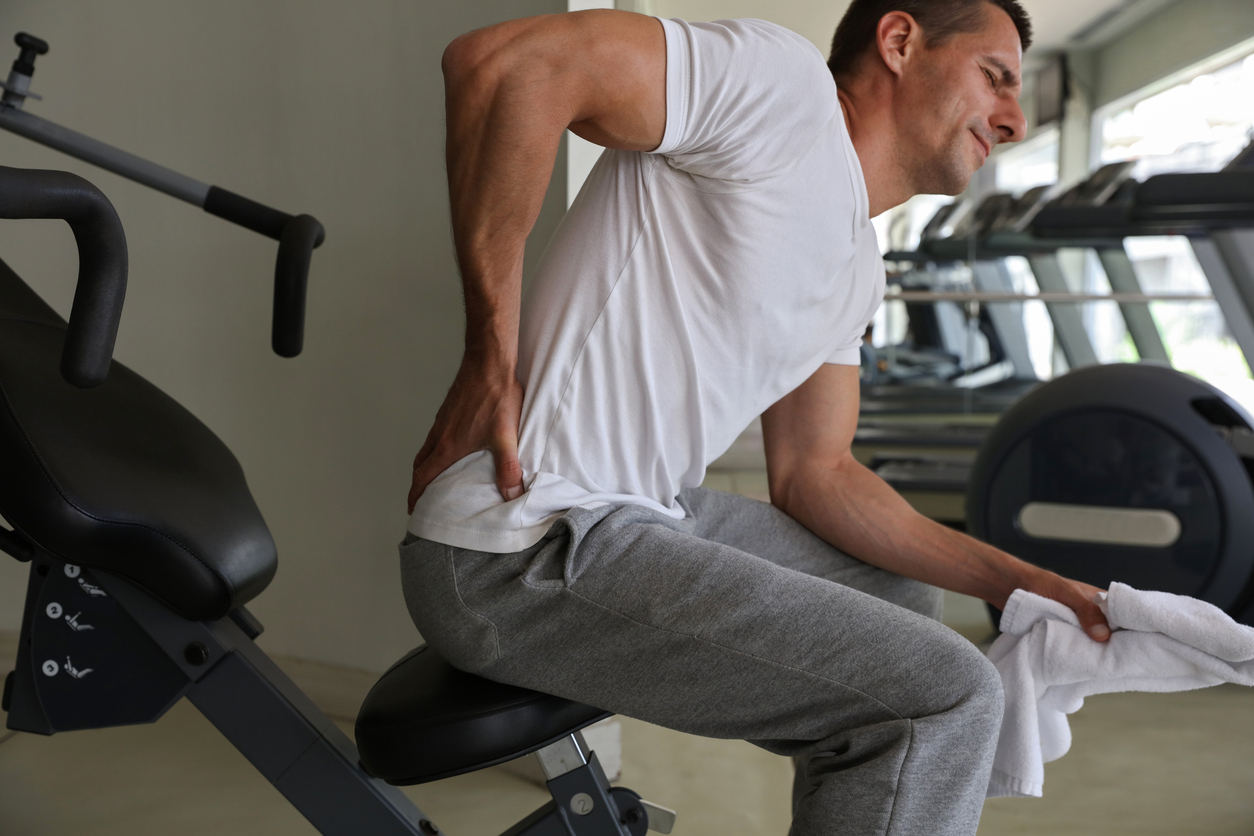
Some people join because they want to lose weight. Others want to build muscle, improve energy, lower stress, or feel more confident in their own body. Some are trying to stay active as they age. Some are trying to get rid of nagging pain that keeps showing up every time they bend, lift, swing a golf club, or sit too long at a desk.
Athletes use fitness centers to sharpen performance. Busy professionals use them because they need efficient workouts that fit real life. Older adults may seek out centers that focus on bone health, mobility, and functional longevity. Beginners often prefer places with guidance because walking into a giant room of equipment with no plan can feel like being handed a cockpit manual and told to fly the plane.
That range is exactly why the best fitness centers don’t force everyone into the same template. They meet people where they are, then build a system around what they actually need.
What Should a Good Fitness Center Include?
A good fitness center should do more than look impressive on a tour. Plenty of places have shiny equipment and polished floors. That doesn’t automatically make them effective.
A quality facility should have a clear training philosophy, knowledgeable staff, clean and well-maintained equipment, and programming that matches the needs of its members. If the center offers coaching, that coaching should be specific, measurable, and based on more than motivation slogans.
It should also feel intentional. The best facilities know exactly who they help and how they help them. They don’t try to be everything to everybody. Instead, they create an environment where progress is visible and support is built into the process.
Look for signs of structure. Are there assessments? Is progress tracked? Are programs adjusted over time? Do coaches ask about your goals, injury history, schedule, and limitations? Or do they hand you a generic routine and wish you luck? Those details tell you a lot.
Why Assessments Matter in a Fitness Center
One of the biggest differences between average and exceptional fitness centers is whether they assess before they prescribe.
Imagine going to an eye doctor who hands every patient the same pair of glasses. That would be absurd. Yet that’s how many exercise programs work. No movement screen. No body composition baseline. No conversation about pain, history, or goals. Just a one-size-fits-all workout copied and pasted across dozens of people.
A strong fitness center starts by gathering information. That may include body composition testing, movement analysis, flexibility benchmarks, neuromuscular evaluation, strength testing, or lifestyle review. These tools help create a more precise plan and make it easier to track whether that plan is working.
Assessments also reduce wasted effort. If someone’s real issue is poor movement quality, compensation patterns, or low recovery capacity, throwing random high-intensity workouts at them may not solve the problem. It may make it worse. Good data helps avoid that trap.
Benefits of Joining a Fitness Center
The obvious benefit is access to equipment and a space designed for exercise. But for many people, the real value goes beyond machines.
A fitness center can create routine. It gives physical goals a place on the calendar instead of leaving them to chance. That matters more than people think. Consistency is rarely built on inspiration alone. It’s built on systems, environment, and accountability.
There is also the benefit of efficiency. A well-designed program can help you make faster progress than bouncing between online workouts, random cardio sessions, and exercises pulled from social media. Instead of doing more, you do what matters.
Then there’s confidence. Many people avoid exercise because they feel unsure, out of place, or frustrated by past failures. A good fitness center reduces that friction. It gives people a path. Once progress becomes visible, motivation stops feeling so fragile.
Finally, there is the long game: better strength, better mobility, healthier body composition, improved energy, and more resilience in everyday life. Fitness is not just about how you look under good lighting. It affects how you move, recover, age, and function.
How to Choose the Right Fitness Center for Your Goals
Start by being honest about what you need, not what sounds impressive. If you’re self-motivated, experienced, and simply want access to equipment, a traditional gym may be enough. If you need structure, accountability, and efficient programming, a coaching-based fitness center may be a better fit.
Next, consider your actual goal. Weight loss, pain reduction, athletic performance, strength gains, and longevity all require different approaches. Ask whether the center has experience in the result you care about. A facility that is excellent for bodybuilders may not be ideal for someone recovering from chronic pain. A high-volume gym may not be the best choice for a busy executive who needs every session to count.
Also pay attention to the environment. Is it crowded and chaotic, or focused and professional? Does it feel transactional or supportive? Are the staff attentive? Do they explain their process clearly? The atmosphere matters because if the experience creates stress, confusion, or dread, consistency usually falls apart.
Finally, ask how progress is measured. If the answer is vague, that’s a red flag. Good fitness centers should be able to explain how they evaluate change over time.
Is a Fitness Center Worth It?
For the right person, absolutely. But the value depends on whether the center helps you solve the problem that has kept you stuck.
If your main obstacle is lack of access, then a simple membership may be enough. If your obstacle is inconsistency, uncertainty, pain, poor results, or a schedule that leaves no room for trial and error, then a more guided fitness center can be worth far more.
People often think in terms of monthly cost, but the more useful question is this: what is the cost of doing the wrong thing for another year? Another year of starting over. Another year of nagging pain. Another year of workouts that leave you sweaty but unchanged. Another year of telling yourself you’ll get serious “when things calm down.”
A good fitness center is not just a place to burn calories. It can be the structure that finally turns effort into momentum.
Final Thoughts on What a Fitness Center Is
So, what is a fitness center? It is a facility designed to help people improve health, strength, function, and physical performance through exercise and related support services. Depending on the model, it may offer equipment, coaching, classes, assessments, recovery tools, and personalized programming.
The best fitness centers do more than provide access. They provide direction. They replace guesswork with strategy and help people move from occasional effort to repeatable results.
If you’re evaluating your options, don’t just ask whether a place has equipment. Ask whether it has a process. The right fitness center should make your goals feel less abstract and more achievable, like a blueprint instead of a wish.
That is often the difference between joining a place to work out and finding a place that actually helps you change.